Biomass Boiler Overview
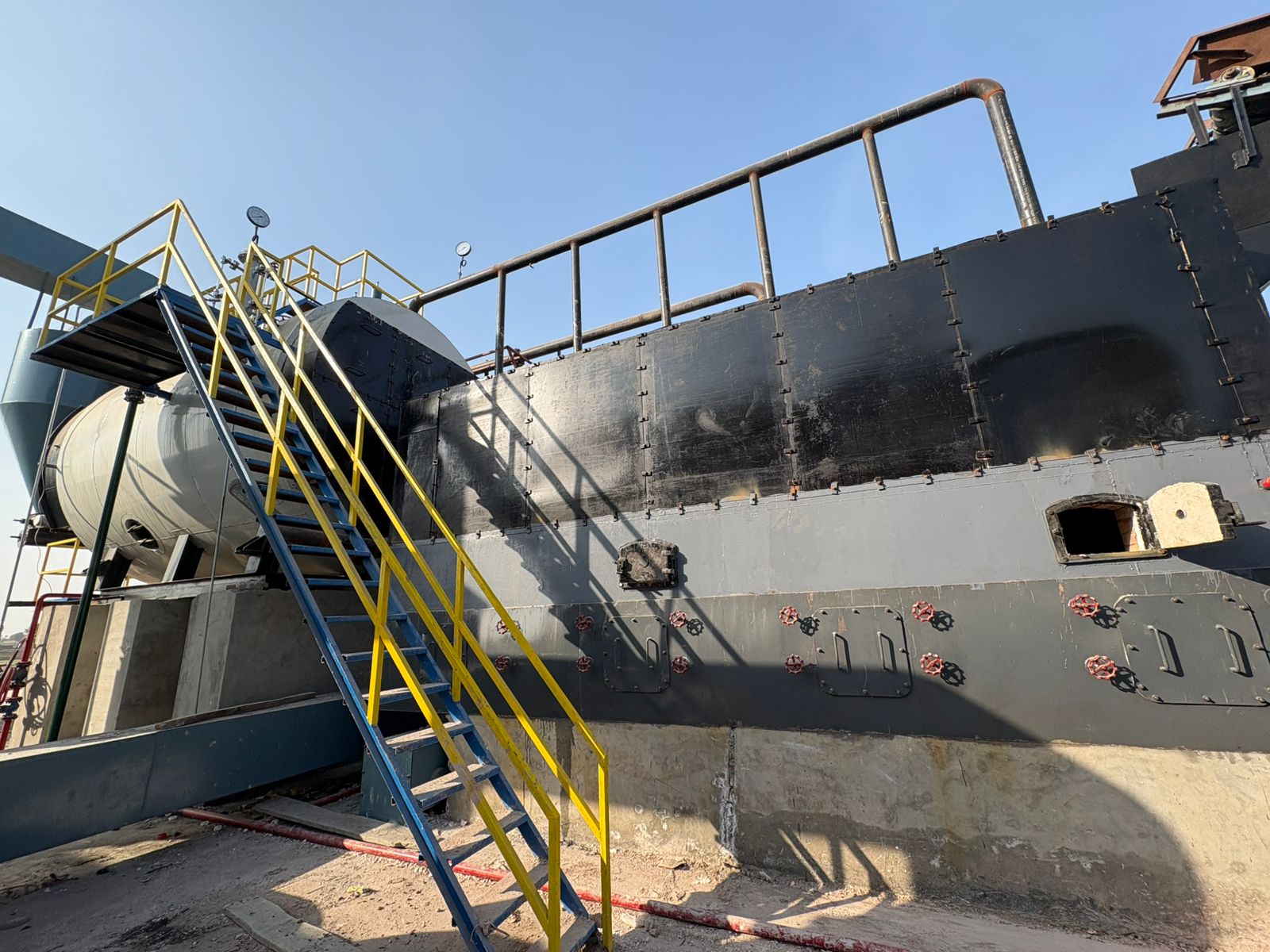
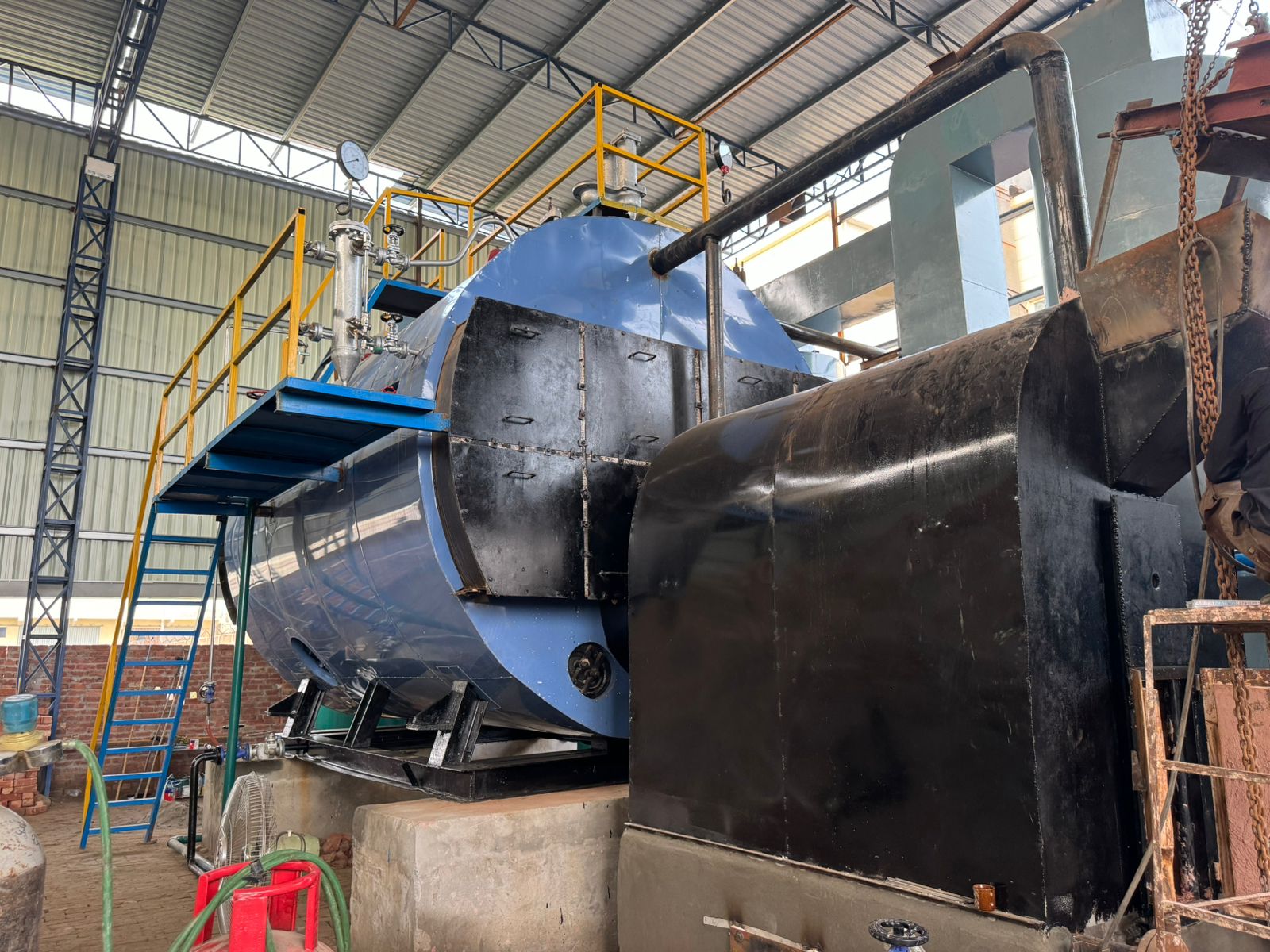
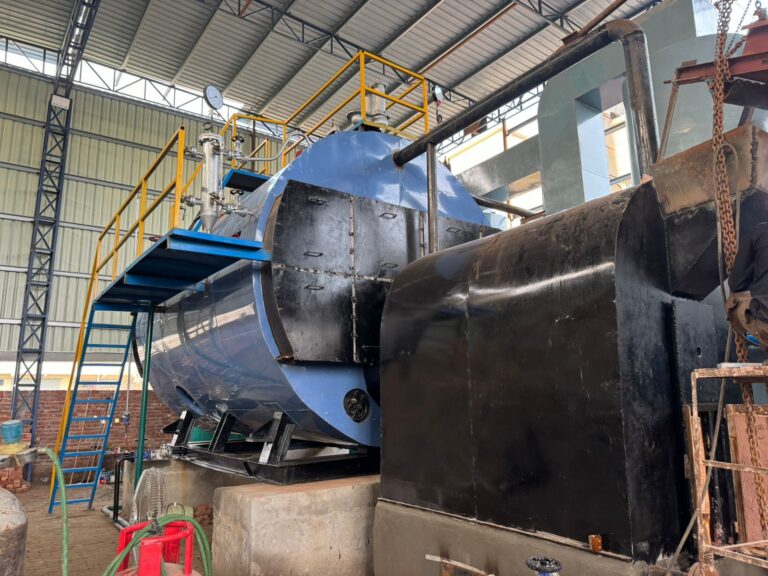
An AGK biomass boiler turns low-cost local fuel like rice husk, wood chips, cotton stalks and corn cobs into steady steam for your factory. With gas getting more expensive every year in Pakistan, a biomass boiler is one of the simplest ways to cut your steam cost. We have designed, built and installed industrial boilers from our own workshop in Sahiwal since 2002, and every biomass boiler we make is matched to your fuel, steam load and working pressure. Our range covers 3 to 25 TPH in a three-pass fire tube design, with fixed bed, chain grate or fluidized bed firing.
On this page
- Why Factories in Pakistan Are Switching to a Biomass Boiler
- How a Biomass Boiler Works
- Which Biomass Fuel Is Best for Your Boiler?
- Choosing the Right Biomass Boiler Size
- Clean Stacks and EPA Rules in Punjab
- What You Get from AGK
- Biomass vs Gas: A Simple Cost Check
- Our Process: From Site Visit to Steady Steam
- Tips to Get the Best from Your Boiler
- Biomass Boiler Types We Build
- Fixed Bed (Fixed Grate) Biomass Boiler
- Chain Grate (Travelling Grate) Biomass Boiler
- Fluidized Bed Biomass Boiler
- Rice Husk Boiler: The Most Popular Choice in Punjab
- Fuel Storage, Feeding and Ash Handling
- Industries That Use Our Biomass Boilers
- Biomass Boiler Maintenance Checklist
- Daily
- Weekly
- Monthly and Yearly
- Why Choose AGK as Your Biomass Boiler Manufacturer in Pakistan
- Getting Started with Your Biomass Boiler Project
- Biomass Boiler FAQs
- What is the price of a biomass boiler in Pakistan?
- Can a biomass boiler run only on rice husk?
- Can I convert my gas boiler to biomass?
- Do you provide service after installation?
- How long does a biomass boiler last?
- How much space does a biomass boiler need?
- Can a biomass boiler run 24 hours a day?
- What is the difference between a rice husk boiler and a wood fired boiler?
Why Factories in Pakistan Are Switching to a Biomass Boiler
For many textile, food, ghee and rice mill owners, steam is one of the biggest running costs. Gas supply is not always stable and the price keeps going up. A biomass boiler lets you use fuel that is grown and sold locally, so you are not depending on gas or imported oil. Rice husk, wood chips, cotton stalks, bagasse and corn cobs are easy to buy in most cities of Punjab and Sindh, and you can switch between them when prices change.
A well-designed biomass boiler gives steady steam for 24/7 production, and it can also burn coal or a coal and biomass mix when needed. This fuel flexibility protects your factory from sudden fuel shortages.
How a Biomass Boiler Works
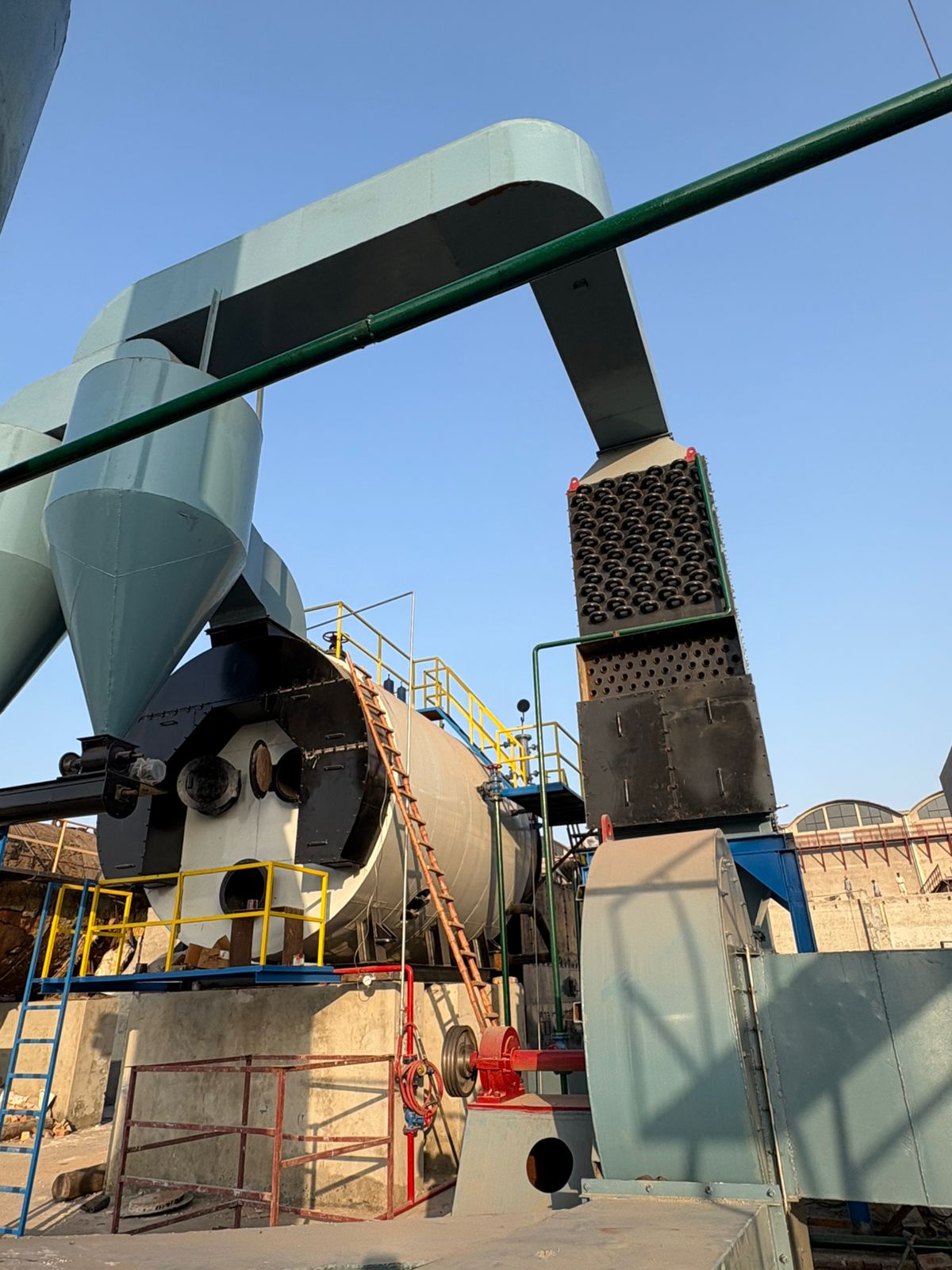
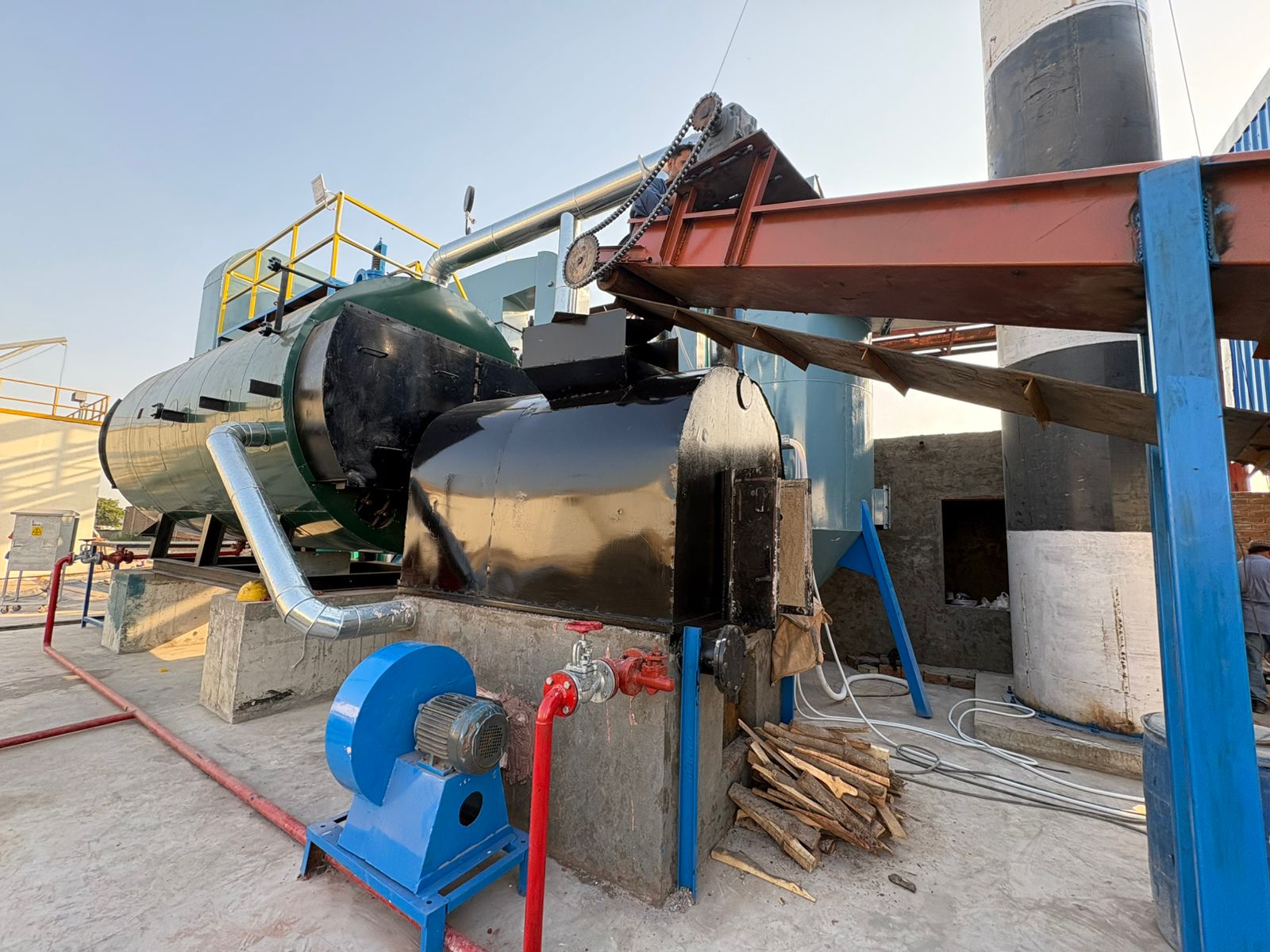
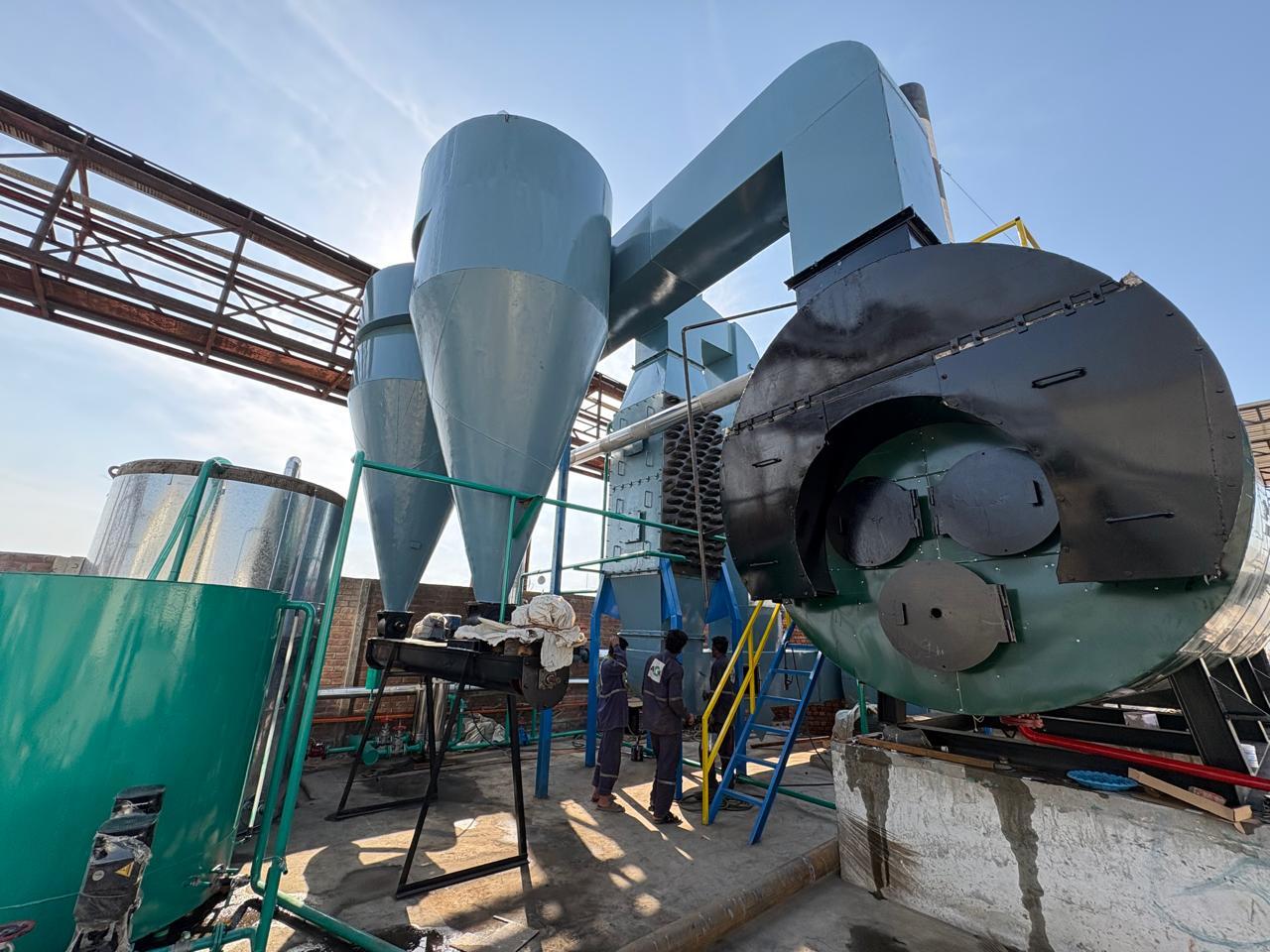
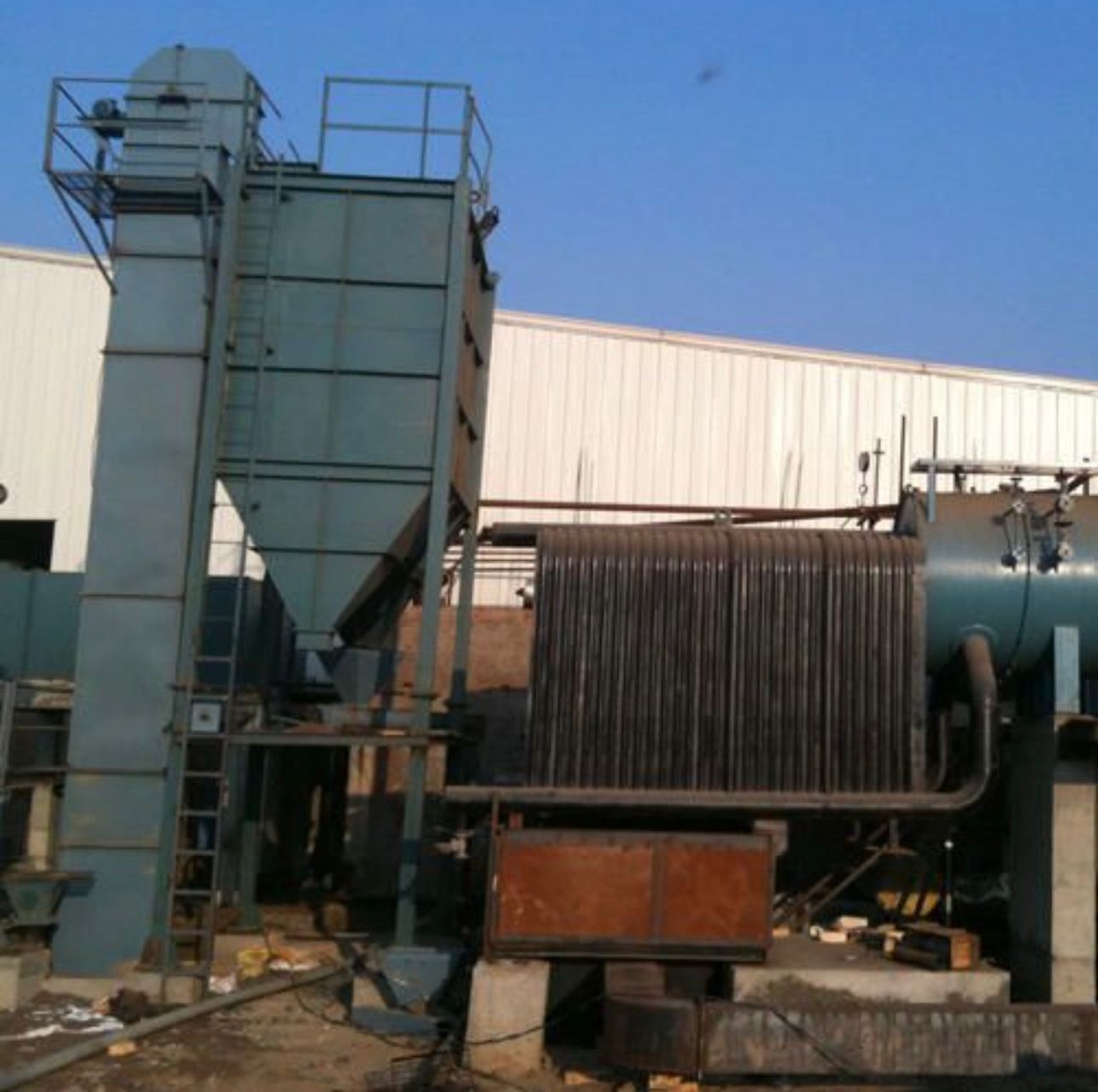
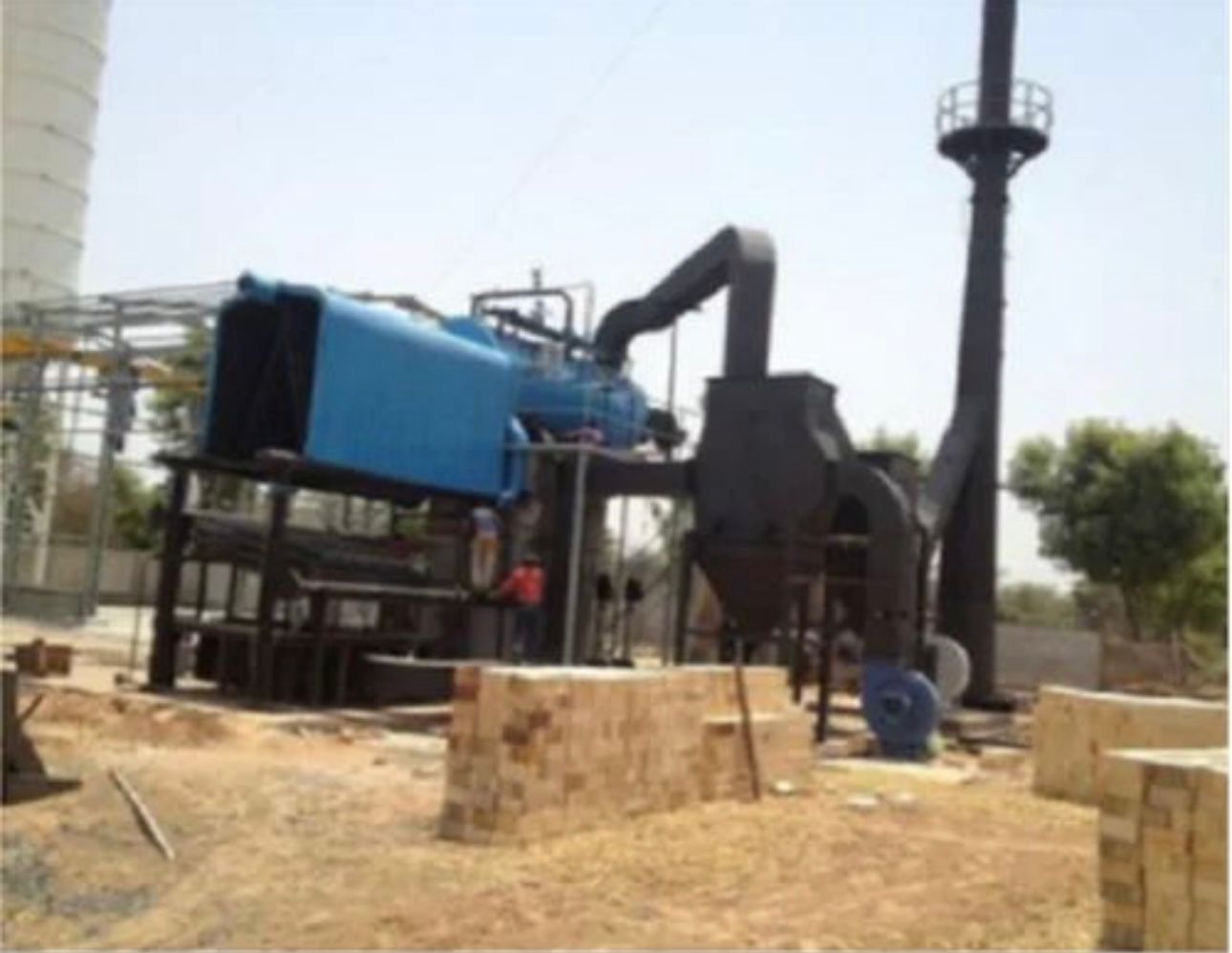
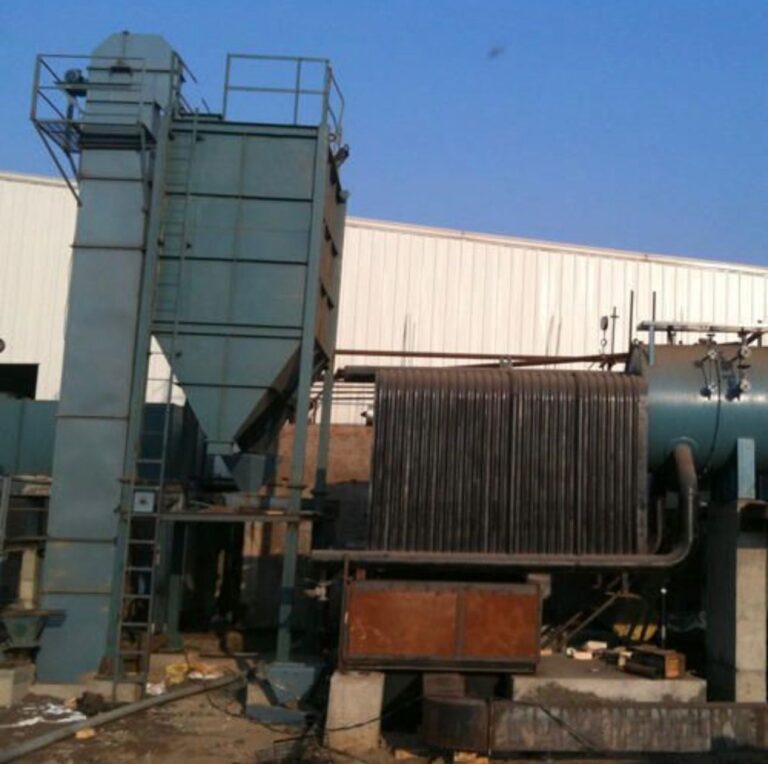
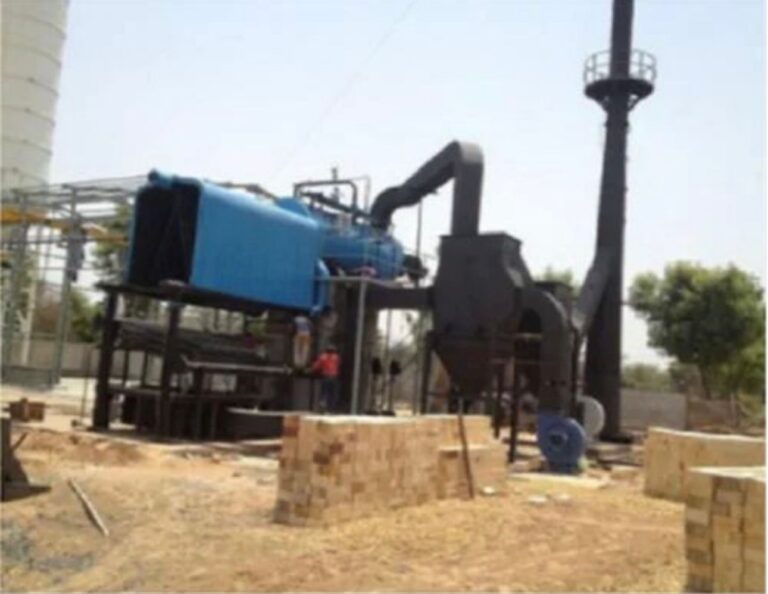
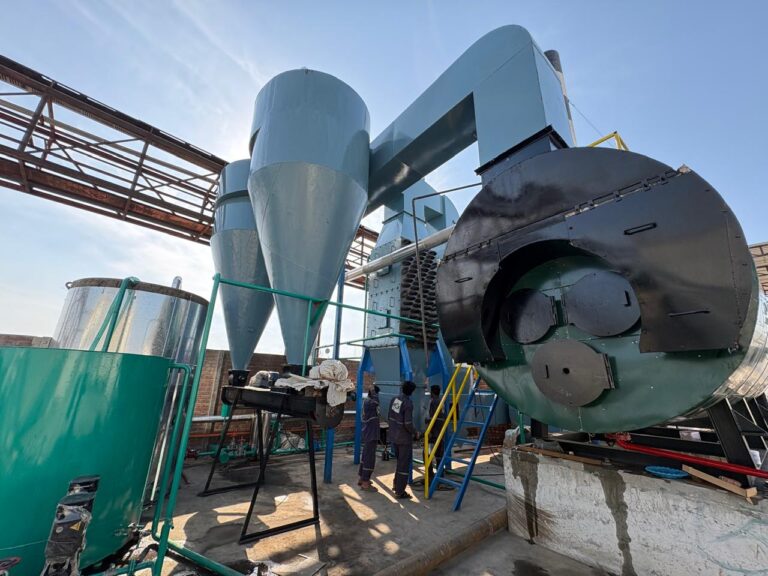
Fuel is fed into the furnace, where it burns on a grate or in a fluidized bed. The hot gases travel through the boiler tubes three times (three-pass design), so more heat goes into the water and less heat is lost through the chimney. The water turns into steam, and the steam goes to your process: dyeing machines, cookers, deodorizers, pasteurizers or dryers. Before the flue gas leaves the chimney, a cyclone dust collector removes ash and dust.
Which Biomass Fuel Is Best for Your Boiler?
- Rice husk: the most common fuel in Punjab, cheap and easy to handle.
- Wood chips and wood logs: good heat value and a stable flame.
- Cotton stalks: low cost in cotton areas like Multan and Bahawalpur.
- Bagasse and corn cob: good options near sugar mills and maize areas.
- Mixed fuel: biomass with coal when you need extra heat.
Every fuel burns differently. That is why we ask about your fuel first and then choose the right furnace and grate for your biomass boiler.
Choosing the Right Biomass Boiler Size
Boiler size is measured in TPH (tons of steam per hour). To size your boiler correctly, we look at your steam use per hour, working pressure, running hours per day, the fuel you plan to use and space for fuel storage. A boiler that is too big wastes fuel; a boiler that is too small cannot keep up with production. Our engineers visit your site, check your load and recommend the right capacity between 3 and 25 TPH. For larger loads, we also build water tube boilers up to 30 TPH.
Clean Stacks and EPA Rules in Punjab
Industrial boilers in Punjab must meet the emission standards of the Environment Protection Department Punjab, especially during the smog season. Every AGK boiler can be supplied with multi-cyclone dust collectors or wet scrubbers, so your stack stays clean and your factory stays compliant. You can read more about this type of system on the biomass heating system page.
What You Get from AGK
- Design and fabrication of the complete boiler in our own workshop
- Fuel feeding, ash handling, economizer, water treatment and piping from one team
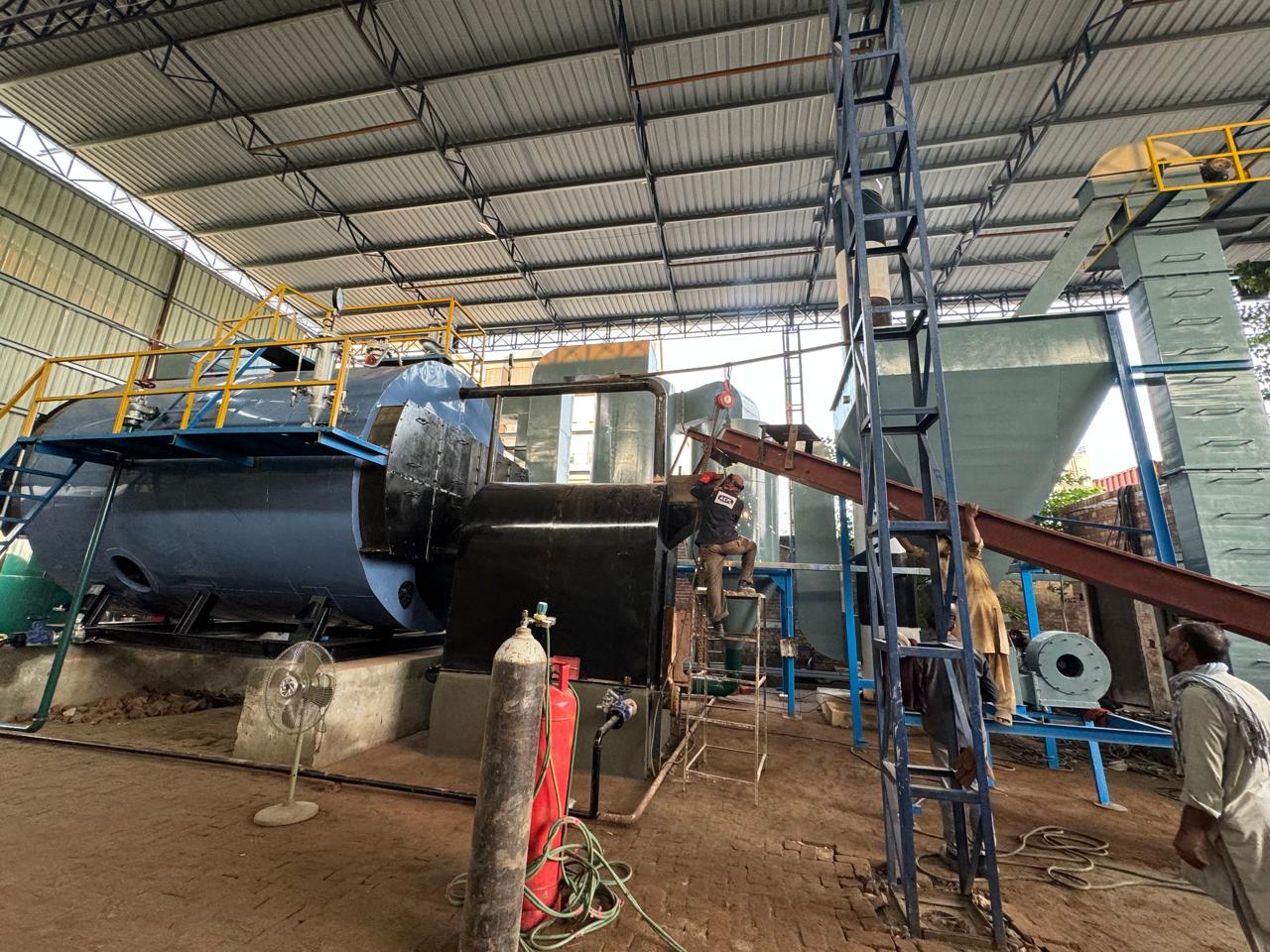
- Installation, testing and commissioning at your site
- 24/7 operation and maintenance support and AMC contracts (see our boiler services)
- Genuine boiler spare parts available locally
Don’t want to buy a boiler at all? With our biomass steam supply service, AGK builds, fuels and runs the boiler house at your site, and you only use the steam.
Biomass vs Gas: A Simple Cost Check
To compare fuels, look at the cost of one ton of steam, not just the price of fuel. Gas is clean and easy, but its price and supply are not in your control. Biomass needs fuel storage, a feeding system and ash removal, but the fuel itself costs much less and is available from local suppliers. Most of our customers find that the savings on fuel pay for the boiler over time. Tell us your current gas or fuel bill and steam use, and our engineers will give you an honest comparison before you decide.
Our Process: From Site Visit to Steady Steam
- Site visit and load study: we check your steam use, pressure, fuel and space.
- Design and quotation: you get a clear offer with capacity, firing system and scope.
- Fabrication: the boiler is built and pressure-tested in our Sahiwal workshop.
- Delivery and installation: our team installs the boiler, piping and auxiliaries at your site.
- Commissioning and training: we start the plant, test it under load and train your operators.
- After-sales support: spare parts, breakdown service and AMC contracts keep your plant running.
Tips to Get the Best from Your Boiler
- Keep fuel dry. Wet rice husk or wood chips lower heat and increase smoke.
- Treat feed water properly to stop scale inside the tubes.
- Clean the dust collector and remove ash on time.
- Train operators to control air and fuel feeding during load changes.
- Book a yearly inspection and overhaul before the busy season.
Biomass Boiler Types We Build
There is no single biomass boiler that suits every factory. The right design depends on your fuel, your steam load and how many hours you run. AGK builds three main firing systems, and our engineers help you pick the one that fits your plant.
Fixed Bed (Fixed Grate) Biomass Boiler
This is the simplest design. Fuel burns on a fixed grate and ash is removed at set times. It is a good choice for small and medium loads, usually from 3 to 8 TPH, where the fuel is fairly uniform, like wood logs or briquettes. It costs less to buy and is easy for operators to learn.
Chain Grate (Travelling Grate) Biomass Boiler
In a chain grate boiler, the grate moves slowly through the furnace. Fresh fuel enters at the front and ash falls off at the back, all automatically. This gives steady combustion and less manual work. It is the most common choice for medium and large factories that burn rice husk, wood chips or coal day and night.
Fluidized Bed Biomass Boiler
Here the fuel burns in a bed of hot sand that is kept moving by air from below. Fluidized bed firing handles fuels with high moisture or mixed sizes very well, such as bagasse, cotton stalks and mixed biomass. It is best for larger loads and for plants that want maximum fuel flexibility.
Rice Husk Boiler: The Most Popular Choice in Punjab
A rice husk boiler is the first choice for many factories in Punjab and Sindh. Rice husk is a by-product of rice mills, so it is available in large quantity around Lahore, Gujranwala, Sheikhupura, Hafizabad, Kasur and many other rice-growing areas. It is light, dry and easy to feed with screw conveyors or pneumatic systems.
Rice husk has a high ash content, so the furnace, grate and ash removal system must be designed for it. Our rice husk boiler designs have the right grate area, air supply and ash handling, so the boiler keeps running smoothly without frequent cleaning. A multi-cyclone dust collector catches the fine ash before the flue gas leaves the chimney.
- Low fuel cost compared to gas and furnace oil
- Easy to buy from local rice mills and fuel suppliers
- Automatic feeding keeps steam pressure steady
- Ash can often be sold or used for other purposes
Fuel Storage, Feeding and Ash Handling
A biomass boiler is more than the boiler itself. To run well, it needs a proper fuel yard, a feeding system and ash removal. We design these parts together with the boiler, so everything works as one system.
- Fuel storage: a covered shed keeps biomass dry. Dry fuel burns better and gives more steam.
- Fuel feeding: screw feeders, belt conveyors or pneumatic feeders move fuel from the yard to the furnace.
- Ash handling: ash conveyors and ash pits remove ash safely and keep the boiler house clean.
- Flue gas cleaning: multi-cyclone dust collectors or wet scrubbers control stack emissions.
Planning these parts at the start saves money later and avoids problems such as fuel jams, smoke and unplanned shutdowns.
Industries That Use Our Biomass Boilers
Since 2002, AGK has supplied steam systems to many types of factories across Pakistan. Each industry uses steam in a different way, and we design the biomass boiler around that use.
- Textile and dyeing: steady steam for dyeing machines, stenters and washing ranges.
- Food and beverage: clean, reliable steam for cooking, bottling and cleaning lines.
- Edible oil and ghee: steam for refining, deodorizing and process heating.
- Dairy plants: steam for pasteurizing, sterilizing and cleaning.
- Rice and feed mills: steam for parboiling, conditioning and pelleting.
- Paper and packaging: steam for paper machines and corrugators.
You can see some of our completed work on the boiler projects page.
Biomass Boiler Maintenance Checklist
Good maintenance keeps your biomass boiler safe, saves fuel and extends its life. Here is a simple checklist we share with every customer.
Daily
- Check water level, steam pressure and safety valves.
- Do blowdown as advised to control dissolved solids.
- Remove ash and check the grate and fuel feeder.
Weekly
- Clean the dust collector hoppers.
- Check fans, motors and belts for noise or heat.
- Test feed water hardness and treatment chemicals.
Monthly and Yearly
- Clean fire tubes and inspect refractory each month.
- Calibrate gauges and check pumps and valves.
- Book a full annual inspection and overhaul with our boiler services team.
Why Choose AGK as Your Biomass Boiler Manufacturer in Pakistan
Buying a boiler is a long-term decision. You need a partner who will still be there years after installation. AGK Bio Energy Solutions (Pvt.) Ltd. has served Pakistani industry since 2002, and our team is based in Sahiwal, close to the main industrial cities of Punjab.
- Local engineers: our team can reach your site quickly for service and breakdowns.
- Local spare parts: grates, feeders, valves and fans are available without long waits.
- Complete scope: boiler, fuel handling, dust collector, piping and commissioning from one team.
- Honest advice: we tell you the real fuel savings before you buy.
- Steam supply option: if you do not want to own a boiler, we can supply steam instead.
Follow our latest boiler deliveries and site work on Facebook and Instagram.
Getting Started with Your Biomass Boiler Project
The first step is a short conversation. Tell us your steam use, working pressure, running hours, main fuel and city. Our engineers will suggest the right capacity and firing system, explain the fuel savings in simple terms and share a clear quotation. If you are not ready to invest, we can also discuss biomass steam supply as an alternative.
Biomass Boiler FAQs
What is the price of a biomass boiler in Pakistan?
The price depends on capacity (TPH), working pressure, fuel type, firing system and the extra equipment you need, such as dust collectors and fuel conveyors. Share these details with us on WhatsApp and we will send a clear quotation.
Can a biomass boiler run only on rice husk?
Yes. Many of our boilers run fully on rice husk. We design the grate and air supply for your main fuel, and the boiler can still burn other biomass or coal when needed.
Can I convert my gas boiler to biomass?
In many cases, yes. Our boiler engineering services team checks your existing boiler and tells you if a fuel conversion is practical or if a new biomass boiler is the better choice.
Do you provide service after installation?
Yes. Our engineers and spare parts are local, so we can reach your factory quickly. We offer 24/7 support and yearly AMC contracts for every boiler we install.
How long does a biomass boiler last?
With proper water treatment, regular cleaning and yearly overhauls, a well-built biomass boiler can serve your factory for many years. Most wear happens in parts like grates and refractory, and these can be replaced locally.
How much space does a biomass boiler need?
You need space for the boiler, the dust collector, the chimney and a covered fuel store. Our engineers visit your site and suggest a layout that fits your available area.
Can a biomass boiler run 24 hours a day?
Yes. With automatic fuel feeding and trained operators, a biomass boiler can run 24/7. Many of our customers run their boilers round the clock in textile, food and dairy plants.
What is the difference between a rice husk boiler and a wood fired boiler?
Both are biomass boilers. A rice husk boiler is designed for light fuel with high ash, while a wood fired boiler handles larger, heavier pieces. Many AGK boilers can burn both, and we set up the grate and air supply for your main fuel.
Ready to cut your steam cost? Contact AGK or WhatsApp +92 300 4493333 with your steam requirement (TPH), fuel and city.
Capacity Range
3 TPH UP TO 25 TPH Biomass Fuels
- Rice Husk
- Wood Chips & Wood Logs
- Cotton Stalks
- Corn Cob
- Bagasse
- Wheat Straw
- Mustard & Sesame Waste
Industries
Where Our Boilers Work
- Textile & Dyeing
- Food & Beverage
- Edible Oil & Ghee
- Dairy Plants
- Rice & Feed Mills
- Paper & Packaging
3 TPH UP TO 25 TPH Firing Systems
- Three-Pass Fire Tube Design
- Fixed Bed Firing
- Chain Grate Firing
- Fluidized Bed Firing
- Multi-Cyclone Dust Collector
Key Features
- Runs on low-cost local biomass fuel
- Three-pass design for lower fuel use
- Steady steam for 24/7 production
- Can also burn coal or a coal and biomass mix
- Dust collectors for EPA compliance
- Built and installed by our own engineers
- Local spare parts and 24/7 support