Waste Heat Recovery Boiler Overview
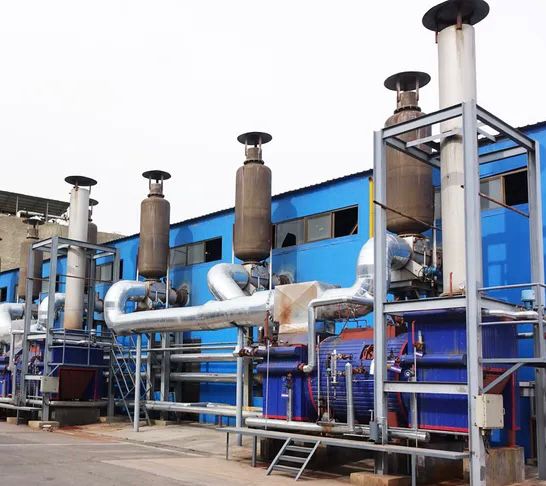
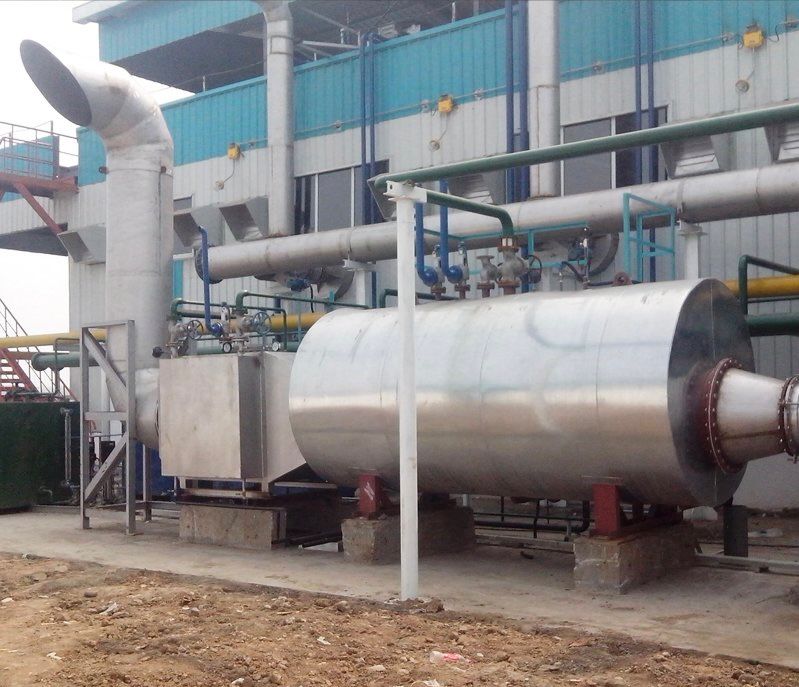
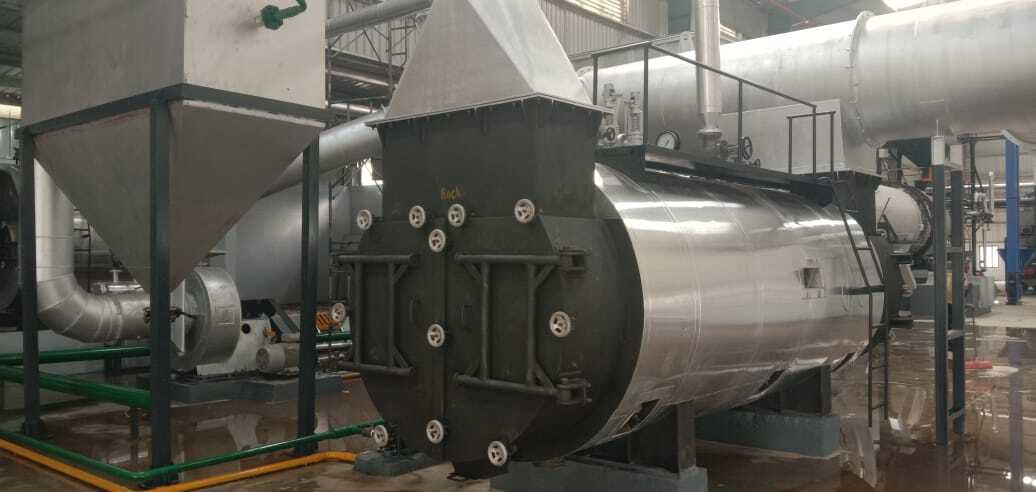
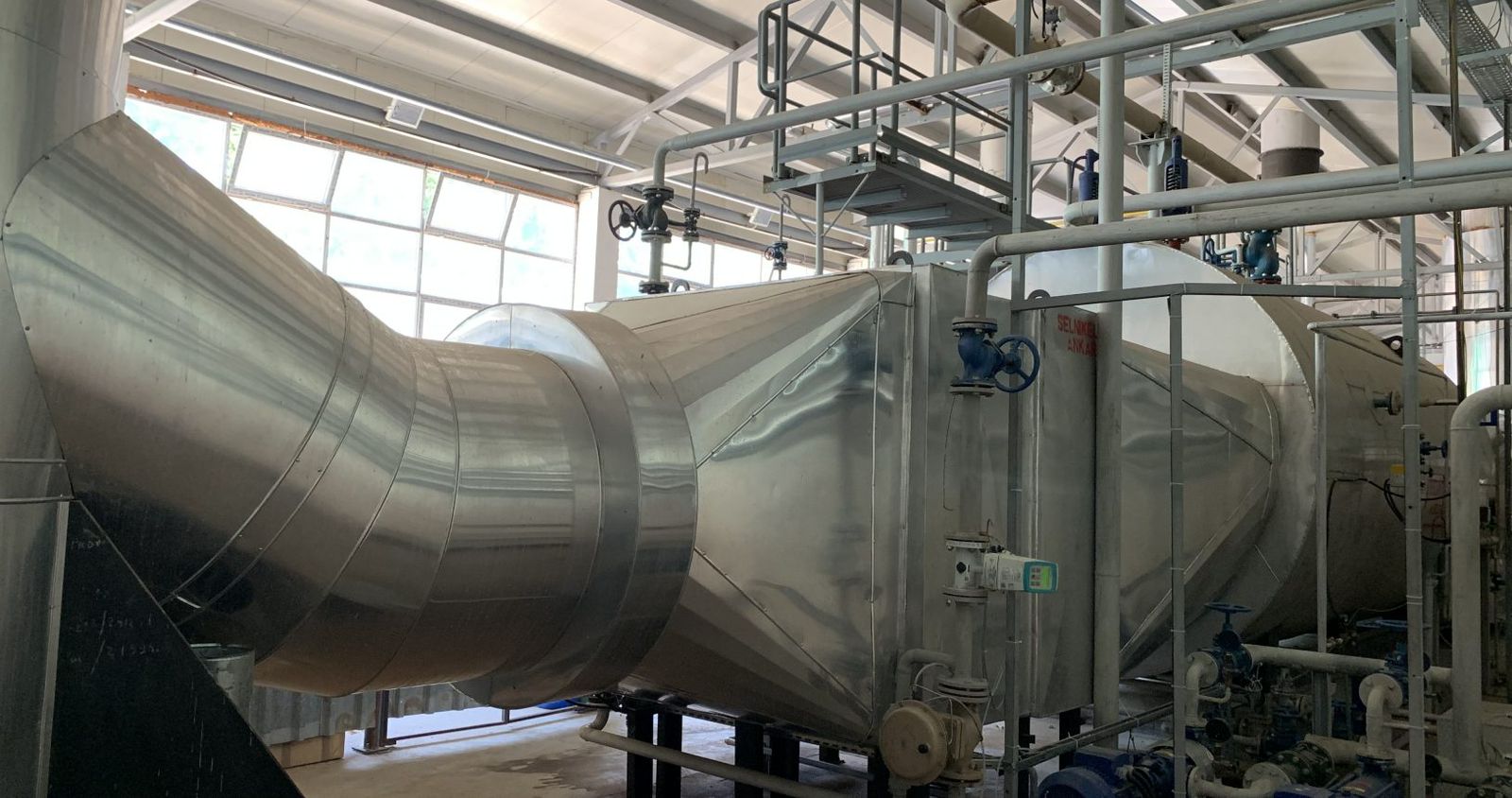
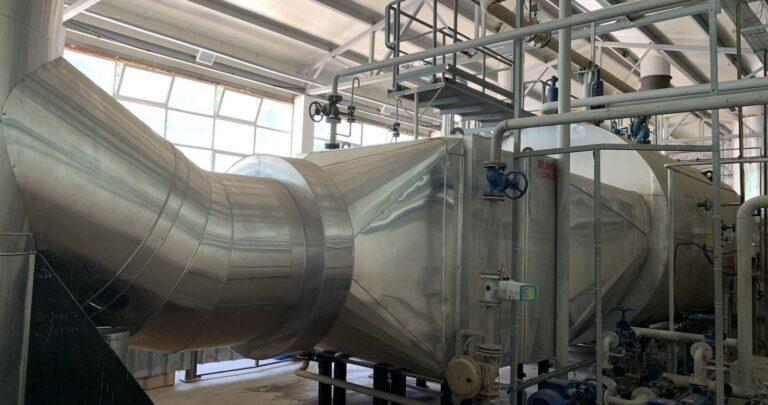
A waste heat recovery boiler (WHRB) takes the hot exhaust gas that your plant already throws away and turns it into useful steam or hot oil. This exhaust can come from gas engines, diesel generators, turbines, thermal oil heaters or other boilers. Because you get steam without burning extra fuel, a waste heat recovery boiler lowers your fuel bill and also reduces the heat and pollution going out of the chimney. AGK supplies fully packaged WHRB units from 5 to 10 TPH, with the instruments and controls needed to recover as much heat as possible.
On this page
- Waste Heat Recovery Boiler Manufacturer in Pakistan
- How It Works
- Smoke Tube or Water Tube?
- Benefits for Your Plant
- What We Need to Design Your WHRB
- Pair It with Other AGK Systems
- Frequently Asked Questions
- How a Waste Heat Recovery Boiler Saves Money
- Where Can You Use a Waste Heat Recovery Boiler?
- Designing the Right Waste Heat Recovery Boiler
- Maintenance Tips
- Waste Heat Recovery Boiler FAQs
- How much steam can I get from my engine exhaust?
- Does a waste heat recovery boiler affect my engine?
- Can you add a waste heat recovery boiler to an existing plant?
- Where can I learn more?
Waste Heat Recovery Boiler Manufacturer in Pakistan
Many factories in Pakistan run gas engines or generators for their own power. The exhaust from these engines leaves at a very high temperature, and without heat recovery all of that energy is lost. A waste heat recovery boiler fitted on the exhaust line captures this heat and produces steam for your process. In many plants this steam covers a large part of the daily steam demand, so the main boiler works less and burns less fuel.
How It Works
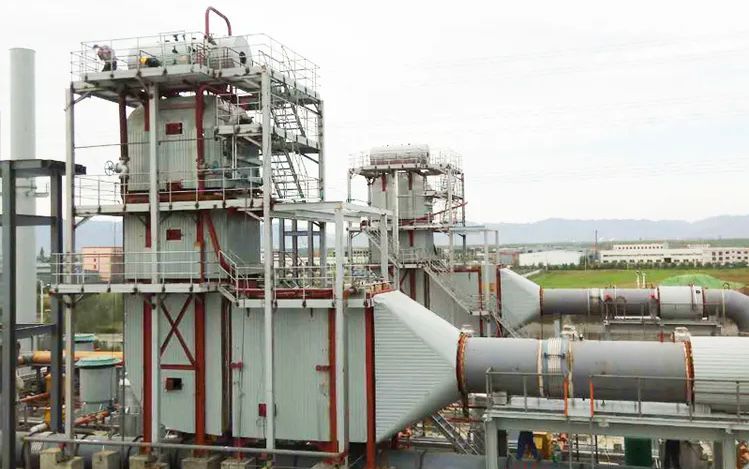
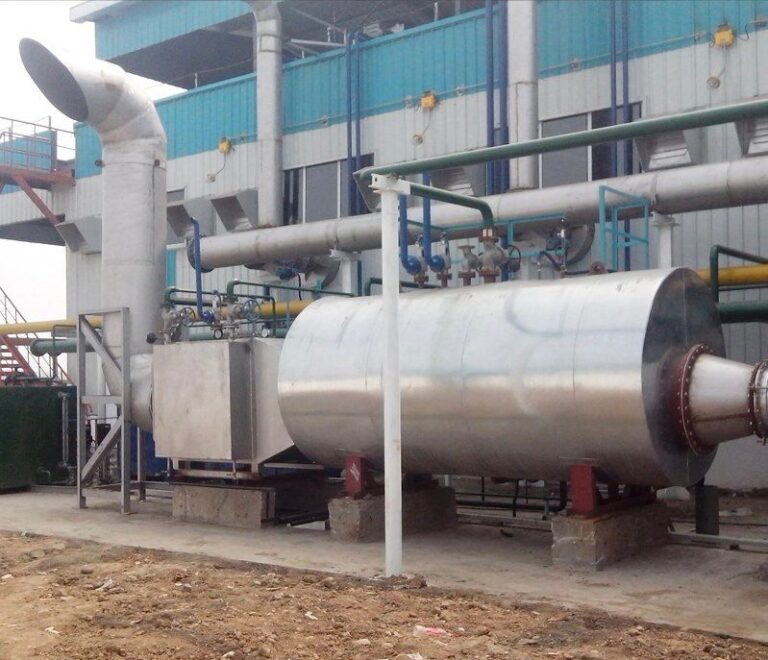
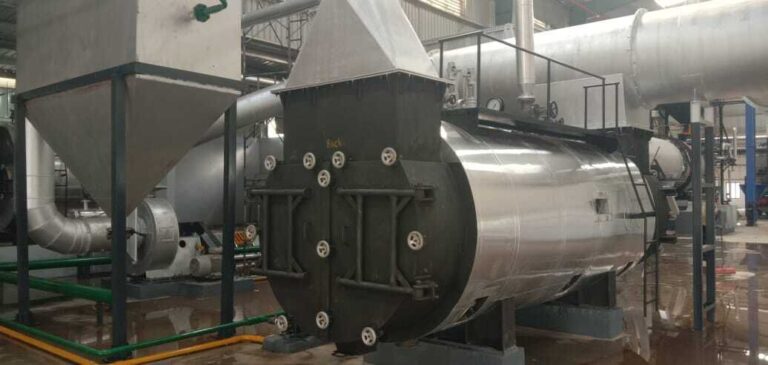
Hot exhaust gas enters the boiler and passes over or through tubes filled with water. The heat moves from the gas to the water and turns it into steam. The cooled gas then leaves through the chimney. A bypass damper lets the engine keep running even when the boiler is stopped for cleaning. The design works on the same idea as a heat recovery steam generator used in power plants.
Smoke Tube or Water Tube?
We build both types. Smoke tube (fire tube) units are compact and simple for smaller engines. Water tube units handle higher gas flow and higher pressure. Our engineers choose the design based on gas temperature, gas flow, the steam pressure you need and the space available next to the engine.
Benefits for Your Plant
- Free steam from heat that is already being wasted
- Lower fuel cost for your main boiler
- Less heat and pollution released to the air
- Better overall efficiency of your power and steam system
- Quick payback in plants that run engines for long hours
What We Need to Design Your WHRB
- Engine or turbine make, model and number of units
- Exhaust gas temperature and flow
- Steam pressure and quantity you need
- Running hours per day
With this data our boiler engineering services team will calculate how much steam you can recover before you invest.
Pair It with Other AGK Systems
Waste heat recovery works well with our thermal oil heaters, our fire tube boilers and our biomass boilers. Together they give you a complete low-cost steam system.
Frequently Asked Questions
What size waste heat recovery boiler do you make?
Our standard range is 5 to 10 TPH. We can also discuss custom sizes for special projects.
Will the boiler affect my engine?
No. We design the gas path to keep back pressure within the engine maker’s limits, and a bypass protects the engine.
Do you provide service and spare parts?
Yes. We offer 24/7 support, yearly cleaning and inspection, and genuine boiler spare parts. Contact AGK to discuss your project.
How a Waste Heat Recovery Boiler Saves Money
Every gas engine, diesel generator, furnace and thermal oil heater sends hot gas out of its chimney. That heat is usually lost to the air. A waste heat recovery boiler captures this heat and uses it to make steam or hot water, without burning any extra fuel.
For example, a factory running gas engines for power can use a waste heat recovery boiler on the engine exhaust to make steam for its dyeing or process lines. The steam comes almost free, because the heat was already paid for when the engine burned its fuel.
- Lower fuel bills: part of your steam comes from heat that was being wasted.
- Less load on main boilers: your main boiler burns less fuel and lasts longer.
- Cleaner air: cooler flue gas and less fuel burning mean lower emissions.
- Quick payback: on plants that run many hours a day, savings add up fast.
Where Can You Use a Waste Heat Recovery Boiler?
- Gas and diesel engines: captive power plants in textile, food and other industries.
- Gas turbines: larger power plants and process industries.
- Thermal oil heaters: flue gas after the heater can still make useful steam.
- Furnaces and kilns: hot exhaust from process furnaces.
- Incinerators and dryers: other process exhausts with enough heat.
Designing the Right Waste Heat Recovery Boiler
Each waste heat recovery boiler must be designed for its own heat source. Our engineers look at these points before we start the design:
- Flue gas flow and temperature: this decides how much steam you can make.
- Gas quality: dust, oil or acid in the gas affects tube design and cleaning.
- Steam need: pressure and quantity required by your process.
- Back pressure limit: engines and turbines can only accept a small pressure drop.
- Space and layout: where the boiler will sit and how it connects to the exhaust.
With this data, we size the heat transfer area, add bypass dampers where needed and choose the right controls. AGK waste heat recovery boilers are available from 5 TPH up to 10 TPH.
Maintenance Tips
- Clean the gas-side tubes regularly to stop soot and dust from cutting heat transfer.
- Treat feed water well, just like in any steam boiler.
- Check dampers and bypass valves so the engine is never blocked.
- Book a yearly inspection with our boiler services team.
Waste Heat Recovery Boiler FAQs
How much steam can I get from my engine exhaust?
It depends on the exhaust temperature, gas flow and how many hours the engine runs. Share your engine details and we will estimate the steam you can recover.
Does a waste heat recovery boiler affect my engine?
Not when it is designed correctly. We keep the pressure drop within the engine maker’s limit and add a bypass so the engine can run even if the boiler is offline.
Can you add a waste heat recovery boiler to an existing plant?
Yes. Most of our projects are added to running plants. Our boiler engineering services team plans the work to keep shutdown time short.
Where can I learn more?
You can read about the waste heat recovery unit concept, or contact AGK and WhatsApp +92 300 4493333 for a free first assessment.
Capacity Range
05 TPH UP TO 10 TPH Fuel Types
- Thermal Oil Heater Waste Flue Gases
- Engines Waste Flue Gases
- Boilers Waste Flue Gases
- Turbines Waste Flue Gases
Capacity Range
05 TPH UP TO 10 TPH Boiler Types
- Smoke Tube Steam Boiler
- Water Tube Steam Boiler
Key Features
- Reduced Pollution
- Waste Reduction
- Highly Efficient
- Increased Plant Efficiency
- Reduced Production Cost
- Resource Conservation
- Low Maintenance